

PALOH
THE COFFEE “Xīǎo Zhèn”
"Xīǎo Zhèn" (小镇) translates to "small town" in Chinese. It refers to a compact and typically rural or suburban community that is smaller in scale compared to larger cities or urban areas. "Xīǎo Zhèn" often carries connotations of a tranquil and slower-paced lifestyle, as opposed to the hustle and bustle of larger cities. They can vary greatly in their features and culture, but they are generally known for their simplicity and a sense of local charm.
Paloh is often referred to as a “Coffee Xīǎo Zhèn” or "Coffee Town," reflecting its rich coffee planting history spanning 70-80 years and the unique charm of such towns.

PALOH THE
COFFEE “Xīǎo Zhèn”
"Xīǎo Zhèn" (小镇) translates to "small town" in Chinese. It refers to a compact and typically rural or suburban community that is smaller in scale compared to larger cities or urban areas. "Xīǎo Zhèn" often carries connotations of a tranquil and slower-paced lifestyle, as opposed to the hustle and bustle of larger cities. They can vary greatly in their features and culture, but they are generally known for their simplicity and a sense of local charm.
Paloh is often referred to as a “Coffee Xīǎo Zhèn” or "Coffee Town," reflecting its rich coffee planting history spanning 70-80 years and the unique charm of such towns.
Located in the northern part of Kluang District, Johor, Malaysia, Paloh covers an area of approximately 429 square kilometers. It is accessible by roads leading to Yong Peng, Kluang, and Bekok. Additionally, it is connected by the KTM railway to Kuala Lumpur in the north and Johor Bahru in the south.
Despite its historical association with coffee, Paloh has witnessed changes over the years. With the rise of more economically viable crops like rubber and oil palm, the area dedicated to coffee cultivation gradually declined. While some coffee plantations still exist, their overall plot size is relatively small.
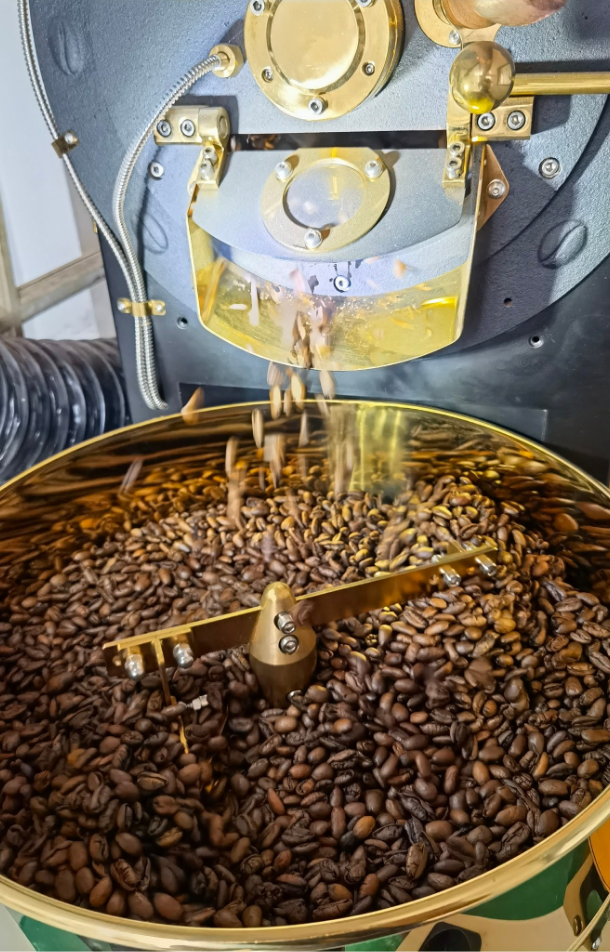
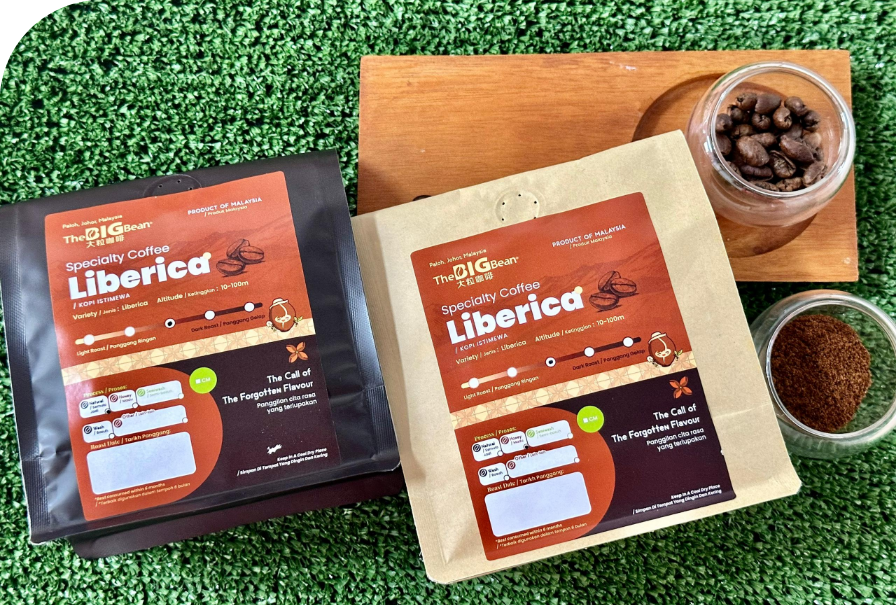
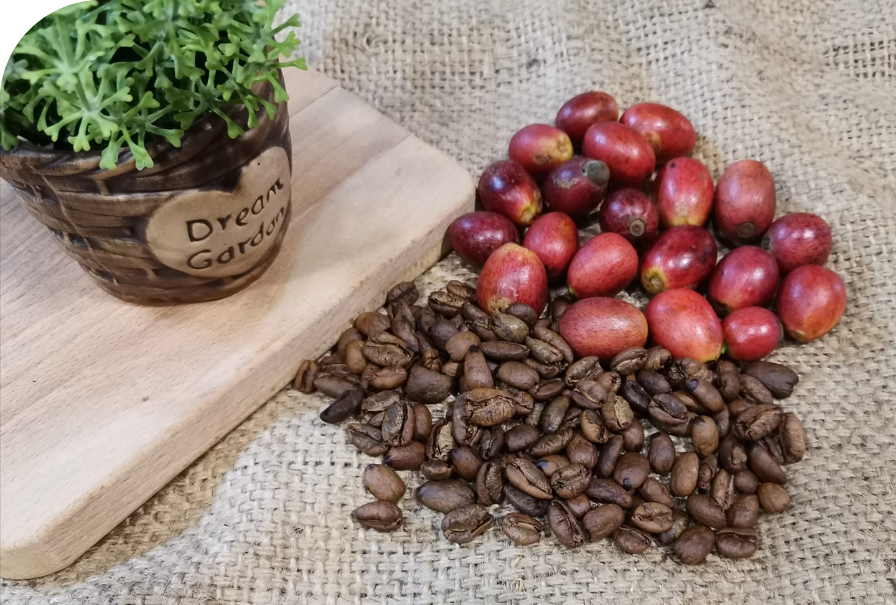
The produce from Paloh is a nearly forgotten specialty - the Liberica variety, which accounts for less than 1% of global coffee production. Among the global coffee varieties, Paloh’s Liberica coffee is distinguished for its large bean size, rarity, high quality, and unique flavor. These Liberica coffee beans are processed, fermented, and roasted in the Paloh region, ensuring their unique characteristics.
Today, Paloh’s Liberica coffee remains relatively niche in the global coffee market.

HISTORY OF PALOH
1990
2023
2023
2023
2023
2023